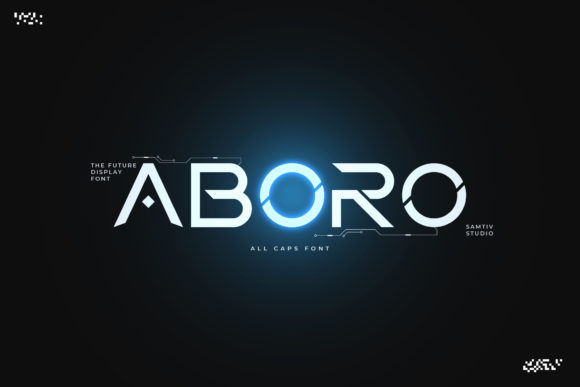
Aboro: Futuristic Typography for Modern Design
Imagine a typeface that captures the sleek precision of advanced technology and the clean lines of contemporary design, instantly transporting your audience into a world of innovation. This is the promise of Aboro, a futuristic design and space display font engineered for maximum visual impact. As a versatile and modern typeface, it offers designers a powerful tool for creating compelling displays, memorable branding, and striking headlines that resonate with a forward-thinking aesthetic.
Why Futuristic Typography Matters in Visual Communication
In the crowded digital landscape, first impressions are formed in milliseconds. Typography is a critical component of visual hierarchy, guiding the viewer's eye and communicating brand personality before a single word is read. A font like Aboro, with its clean, modern geometry, immediately signals innovation, precision, and a forward-looking mindset. It moves beyond mere text to become a core element of brand identity, especially for tech startups, gaming studios, science fiction media, and any project aiming to project a cutting-edge image. Its design is not about fleeting trends but about creating a timeless sense of the future, making it a valuable asset in any designer's toolkit.
Practical Applications for the Aboro Typeface
The true strength of a display font lies in its versatility across different creative projects. Aboro’s aesthetic is perfectly suited for a range of applications where a strong, modern statement is required.
- Branding and Logo Design: Use Aboro to construct logos that embody technological advancement and clarity. Its letterforms provide a solid foundation for a recognizable and scalable brand mark.
- Marketing and Advertising: From digital ad campaigns to print posters, headlines set in Aboro command attention. Its robotic or cyberpunk theme can anchor a entire marketing campaign’s visual design.
- Digital Interfaces: In web design and UI design, Aboro can be used for impactful hero sections, button labels, or navigation headers, enhancing user experience with its high readability at large sizes.
- Editorial and Packaging Design: Create dynamic magazine layouts or product packaging that stands out on the shelf. The font works exceptionally well for titles and subheadings in editorial design, setting a distinct tone.
Integrating Aboro into Your Design Workflow
Effective use of a distinctive typeface like Aboro requires strategic thought. To maintain a polished and professional result, consider these factors:
- Consistency is Key: Define clear rules for its use within your brand guidelines. Reserve it for primary headlines, logos, or key call-to-action elements to preserve its impact.
- Ensure Readability: While perfect for display, pair it with a highly legible sans-serif or serif font for body copy. This creates a balanced visual hierarchy that guides the reader comfortably through your content.
- Complement with Color and Imagery: Aboro’s neutral yet futuristic style pairs beautifully with a bold color palette—think electric blues, neon accents, or monochromatic schemes. Pair it with sleek, minimalist imagery or tech-focused graphics to reinforce the theme.
Elevating Creative Projects with Thoughtful Asset Selection
Choosing the right creative assets is a fundamental design skill. A font is more than a utility; it is the voice of your project. By selecting a typeface like Aboro, you make a deliberate choice to infuse your work with a specific energy and aesthetic. This decision influences everything from the mood of social media graphics to the perceived quality of a digital product or presentation. It’s about aligning every visual element—from typography and composition to imagery and layout—with your core message and audience expectations.
Ultimately, investing in high-quality, purpose-driven design assets streamlines your workflow and elevates the final outcome. Whether you are crafting a brand identity, designing user interfaces, or creating merchandise, the thoughtful integration of a powerful typeface ensures your work is not only seen but remembered. It transforms ordinary communication into a compelling visual experience, proving that in design, every detail contributes to the whole story.