Blumen: The Blackletter Font for Bold Branding
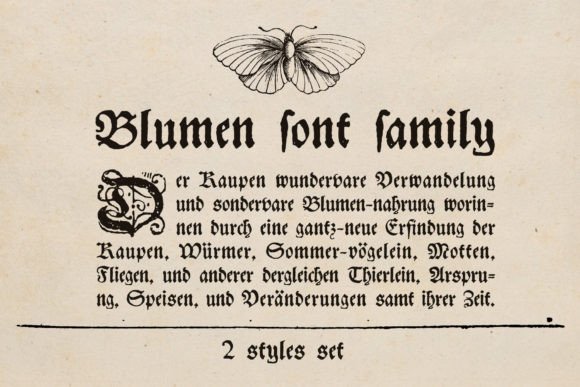
Experience the power and elegance of a classic blackletter font. In a digital landscape saturated with clean sans-serifs and minimalist scripts, a typeface like Blumen makes a commanding statement, instantly transporting a design to a realm of tradition, drama, and unparalleled sophistication. This striking typeface, with its intricate details and dramatic strokes, is more than just a font—it's a strategic design tool for projects demanding authority and a memorable visual impact.
Understanding the Visual Weight of Blackletter Typography
Blackletter fonts, often called Gothic script, have a rich history rooted in manuscript lettering and early printing. Their sharp angles, condensed forms, and ornate details create a texture that is both dense and highly decorative. In modern graphic design, this style is leveraged for its ability to convey heritage, luxury, and a distinct personality. Blumen captures this essence perfectly, offering a contemporary take on a classic form that feels both timeless and relevant. Its value lies in its instant recognizability and the strong emotional response it can evoke, making it a powerful asset for any creative project.
Practical Applications for Maximum Impact
The true power of a typeface like Blumen is realized in its application. It’s not suited for body text, but as a display font, it excels in roles where first impressions are critical. Consider its use in the following creative domains:
- Branding and Logo Design: For brands in luxury goods, craft beverages, music, or bespoke services, a blackletter wordmark or logo can establish an immediate sense of premium quality and artisanal craft.
- Marketing Materials: Use Blumen for headlines on posters, flyers, and digital ads to cut through visual noise. It’s exceptionally effective for event promotions, album covers, and book titles.
- Social Media Content: Create scroll-stopping graphics for Instagram or Pinterest. A single word or short phrase in a dramatic font can anchor a visual and reinforce brand identity.
- Packaging Design: Product labels, especially for craft spirits, gourmet foods, or cosmetics, benefit from the sophisticated and tactile quality that intricate typography provides.
- Editorial and Web Design: Use it sparingly for pull quotes, section headers, or hero text on a website to add a layer of visual hierarchy and artistic flair.
Integrating Blumen into Your Design Workflow
Adopting a bold typeface requires thoughtful consideration to ensure it enhances rather than overwhelms. Here are key tips for effective use:
- Prioritize Readability and Hierarchy: Reserve Blumen for large, prominent text. Always pair it with a highly legible sans-serif or serif font for supporting copy to maintain clarity and create a balanced visual hierarchy.
- Consider Your Audience and Context: Ensure the historical and stylistic connotations of a blackletter font align with your brand’s message and your target audience’s expectations. It conveys tradition and seriousness, which may not suit every context.
- Test for Scalability: Examine the font at various sizes. The intricate details of Blumen should remain crisp in large headlines but may lose definition if scaled down too small. Always test across different media, from print to digital screens.
- Harmonize with Your Color Palette: Blackletter fonts often work best with a restrained color palette. Consider classic combinations like black and white, deep burgundy and cream, or navy and gold to complement its elegance without competing for attention.
Thoughtful typography is the backbone of effective visual communication. By selecting a typeface that aligns with your project’s goals, you do more than just display words—you build an atmosphere, tell a story, and guide the viewer’s experience. Integrating a classic yet commanding font like Blumen into your toolkit offers a direct path to creating designs with depth, personality, and a professional polish that resonates. Ultimately, the most impactful creative assets are those used with intention, transforming good design into truly memorable visual storytelling.