Caligraphy: Elevate Your Design with Romantic Script Font
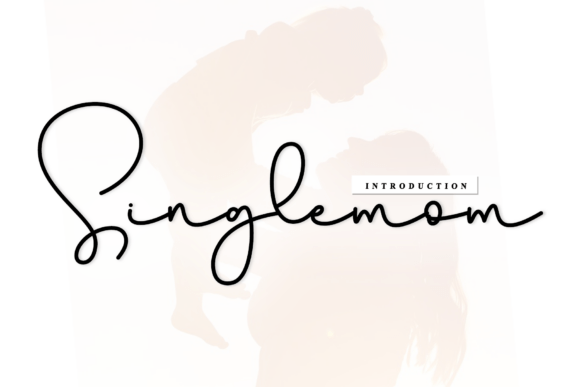
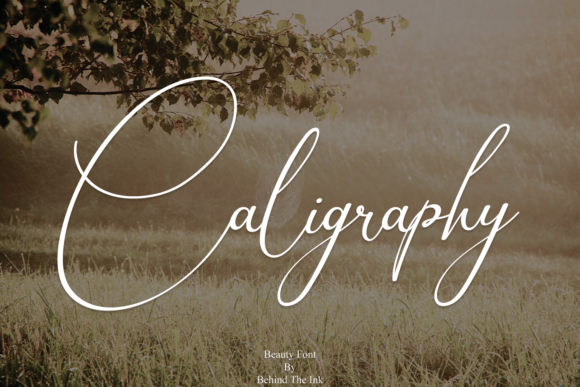
Imagine a typeface that doesn't just sit on the page but performs, adding a layer of narrative and elegance to your work. This is the power of Caligraphy, a romantic and sweet calligraphy script font featuring characters that seem to dance along the baseline. In a digital landscape saturated with rigid, geometric sans-serifs, a well-chosen script font can be the secret weapon for creating memorable, emotionally resonant design. It will add a luxurious spark to any creative design or project you wish to develop, transforming standard layouts into captivating visual experiences.
The Strategic Role of Script Fonts in Modern Design
Typography is a cornerstone of visual communication, and the choice between a serif, sans-serif, and script font carries significant weight. Caligraphy, with its fluid strokes and graceful connections, excels at conveying personality, warmth, and sophistication. Its value in modern graphic design lies in its ability to humanize a brand, create focal points, and guide the viewer's eye with a natural, organic rhythm. Unlike more formal typefaces, it injects a sense of authenticity and craftsmanship, making it particularly effective for projects aiming to connect on a personal level.
Practical Applications for Maximum Impact
Integrating a font like Caligraphy requires a strategic approach. Its romantic aesthetic is not universally suited for every context, but when applied thoughtfully, the results are striking. Consider its use in the following creative projects:
- Branding and Logo Design: Use Caligraphy for a primary logotype or a secondary brand mark to convey luxury, elegance, or artisanal quality. It’s ideal for boutique businesses, wedding services, lifestyle brands, and premium products where a personal touch is key.
- Marketing Materials: In digital marketing assets like email headers, social media graphics, and promotional banners, a script font can highlight key messages, special offers, or quotes, instantly drawing attention and adding visual interest.
- Website and UI Design: While not suitable for body text, Caligraphy can enhance user experience when used sparingly for hero sections, pull quotes, or navigation accents on sites for spas, restaurants, or creative portfolios, contributing to a polished and modern aesthetic.
- Packaging and Editorial Design: On product packaging, book covers, or magazine layouts, this font can elevate the visual hierarchy, suggesting premium quality and careful curation. It pairs beautifully with clean sans-serifs to create a balanced, professional presentation.
Tips for Effective Typography Integration
Successfully incorporating a decorative script font like Caligraphy into your design workflow hinges on several best practices. First, prioritize readability. Use it for short, impactful headlines or single words, not for lengthy paragraphs. Second, ensure consistency with your broader brand identity. The font's personality should align with your brand voice and color palette. Third, consider visual hierarchy. Pair it with a simple, neutral typeface to create contrast and ensure your main message remains clear. Finally, always test for scalability across different mediums, from a small social media icon to a large print banner, to maintain its legible charm.
Thoughtful design choices are what separate good work from great. The assets you select—from color schemes to typography—directly influence your audience's perception and engagement. A resource like Caligraphy is more than just a decorative element; it's a tool for storytelling. By understanding its strengths and applying it with purpose, designers and creators can significantly enhance the aesthetic quality and communicative power of their projects, ensuring their work not only looks beautiful but also resonates deeply with its intended audience.