Diary Notes: The Handwritten Font for Authentic Branding
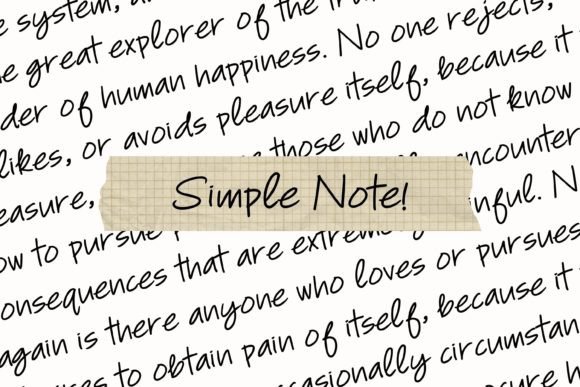
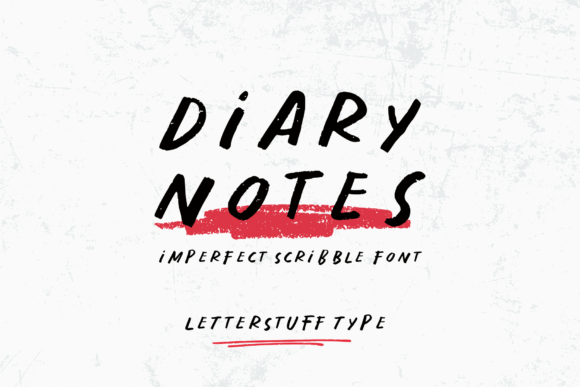
There's a certain magic in the scrawl of a personal note, a raw authenticity that polished, perfect typefaces often miss. For designers seeking to inject warmth, personality, and a human touch into their work, the right typographic choice is paramount. Enter Diary Notes, a fun and organic handwritten font that captures the spontaneous spirit of scribbled thoughts and plans. Inspired by the casual elegance of real diary entries, this typeface is designed to make viewers feel connected, whether you're announcing a late-night adventure or a casual brunch with friends.
The Role of Authentic Typography in Modern Design
In an era saturated with digital precision, audiences crave genuineness. Authentic typography, like a well-crafted handwritten font, acts as a visual shortcut to trust and relatability. It plays a crucial role in visual communication by setting a tone that feels approachable and human. For brand identity, this means moving beyond sterile logos to create a voice that resonates on a personal level. A font like Diary Notes doesn't just display words; it conveys a mood—of creativity, spontaneity, and heartfelt communication.
Practical Applications for Creative Projects
The versatility of a handwritten font extends far beyond personal blogs. When integrated thoughtfully into a design workflow, it can elevate a wide array of creative projects. Its organic texture provides a striking contrast to clean, geometric layouts, helping to establish a dynamic visual hierarchy.
- Branding and Logo Design: Ideal for brands targeting a youthful, creative, or lifestyle-oriented audience. It can form the basis of a logo or be used for taglines to add a distinctive, memorable flourish.
- Marketing & Social Media Graphics: Creates eye-catching headlines for Instagram stories, Pinterest pins, and Facebook ads. Its casual feel encourages engagement and feels native to personal platforms.
- Web & UI Design: Perfect for hero sections, calls-to-action, or pull quotes to break the monotony of body text, enhancing the user experience (UX) with visual variety.
- Editorial & Packaging Design: Adds a personal, artisanal quality to book covers, magazine layouts, or product packaging, making items feel handcrafted and special.
- Presentations & Digital Products: Makes slide decks more engaging and digital planners or worksheets feel instantly more usable and inviting.
Tips for Effective Implementation
Introducing a distinctive font like Diary Notes requires a strategic approach to maintain professionalism and clarity. First, always consider readability. Use it for short bursts of text—headings, logos, or highlights—rather than lengthy paragraphs. Pair it with a clean, neutral sans-serif or serif font for body copy to ensure your message is easily digestible.
Second, evaluate its fit with your existing color palette and imagery. The font's informal nature works best when supported by a cohesive visual design system. Test it at various sizes to confirm it scales well for different applications, from a small social media icon to a large printed banner. Finally, use it with purpose. Its strength lies in adding a specific emotional flavor, so deploy it where that authentic, handwritten touch will have the most impact on your audience.
Ultimately, thoughtful design is about choosing tools that align with your communication goals. Quality creative assets like the Diary Notes font are not merely decorative; they are strategic elements that shape perception and foster connection. By selecting typography that embodies the intended brand personality, designers and creators can craft more compelling narratives, strengthen brand recall, and produce work that truly stands out in a crowded visual landscape.