The Casual Charm of Shopping Script
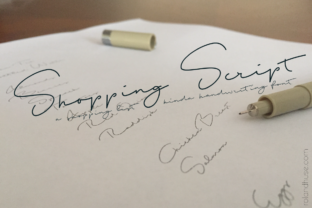
In a world saturated with sterile, digital-first typography, there's an undeniable warmth in the handwritten. Imagine a font that captures the casual, hurried elegance of a shopping list—friendly, approachable, and effortlessly human. This is the core appeal of Shopping Script, a typeface designed to inject personality and flow into creative projects. More than just a font, it's a tool for authentic visual communication, bridging the gap between polished design and relatable charm.
Understanding the Essence of Shopping Script
Shopping Script is a casual, handwriting-inspired font characterized by its relaxed, "kinda handwriting" aesthetic. Its key differentiator lies in its thoughtful design: a selection of ligatures that create a better, more natural flow between characters, mimicking the connected strokes of real writing. Furthermore, its inclusion of Eastern and Western European Latin accents makes it a versatile choice for international projects. In modern graphic design, where authenticity and human connection are paramount, a font like this matters. It allows designers to create visual hierarchies that feel personal and immediate, cutting through the noise of overly formal or generic typefaces.
Practical Applications for Modern Design
The true value of any creative asset lies in its application. Shopping Script's casual, flowing nature makes it a powerful asset across a multitude of design disciplines, enhancing everything from brand identity to user experience.
- Branding and Logo Design: It excels in crafting logos and brand marks for businesses that prioritize approachability—think boutique cafes, artisanal bakeries, lifestyle blogs, or creative studios. It establishes a friendly brand voice from the first glance.
- Marketing and Social Media: In digital marketing and social media graphics, its handwritten style boosts engagement. It feels authentic in Instagram stories, Facebook ads, and email newsletters, making calls-to-action and quotes stand out with a personal touch.
- Editorial and Web Design: Use it for pull quotes, subheadings, or annotations in editorial layouts and web design to break up dense text and guide the reader's eye. In UI design, it can add warmth to specific elements without compromising overall usability.
- Packaging and Merchandise: For packaging design, especially on products like gourmet foods, cosmetics, or stationery, it conveys a handmade, artisanal quality. It's equally effective for merchandise like t-shirts, mugs, and tote bags.
Integrating Typography into Your Design Workflow
Selecting and using a script font effectively requires a strategic approach. A successful design workflow balances creativity with practical considerations to ensure the final result is both beautiful and functional.
- Prioritize Readability: While decorative, the primary function is communication. Use Shopping Script for headlines, short phrases, or accents, not for long blocks of body text. Test its legibility at various sizes and against different backgrounds.
- Establish Visual Hierarchy: Pair it thoughtfully. Combine Shopping Script with a clean, neutral sans-serif or serif font for body copy. This contrast creates a clear visual hierarchy, allowing the script font to command attention without overwhelming the design.
- Consider Context and Audience: Align the font's casual tone with your project's goals and audience expectations. It's perfect for a wedding invitation or a boutique's website but may be less suitable for a formal corporate report.
- Ensure System Compatibility: Evaluate how it integrates with your existing brand system, color palette, and imagery. The goal is cohesion, not conflict. A quality asset should enhance, not disrupt, your established visual language.
Thoughtful design is about making intentional choices that resonate with your audience. The right typography, like Shopping Script, does more than label—it feels, communicates, and connects. By leveraging quality creative assets that balance aesthetic appeal with functional clarity, designers and creators can elevate their work, ensuring every project not only looks professional but also tells a compelling, human story. In the end, great design is about effective communication, and every visual element, from color palette to typeface, plays a crucial role in that conversation.