Behind the Nineties: A Serif Font for Modern Design
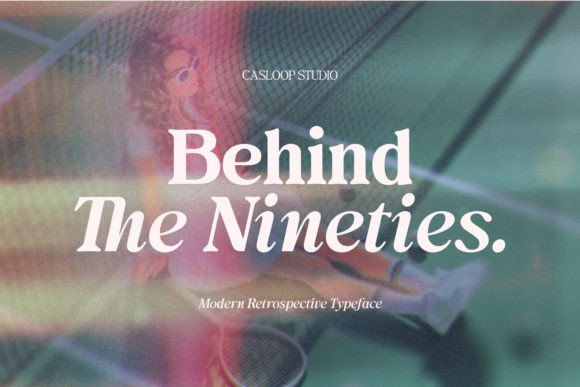
Every designer knows the feeling of searching for that perfect typeface—one that carries personality, sophistication, and versatility all at once. Behind the Nineties is a classy and elegant serif font that captures a refined aesthetic with contemporary appeal. Trendy and stylish, this font will elevate each of your creations, whether you're crafting a brand identity, designing editorial layouts, or building visual campaigns that demand attention.
Why Typography Choices Define Design Quality
In graphic design, typography is far more than decorative text. It shapes how audiences perceive a message, influences readability, and establishes visual hierarchy. A well-chosen typeface communicates tone, professionalism, and intention before a single word is read. Behind the Nineties brings a sense of timeless elegance to modern projects, bridging the gap between classic serif traditions and current design trends. Its balanced letterforms and refined details make it a strong candidate for projects where visual communication needs to feel both polished and approachable.
When evaluating any creative asset, designers should consider how it fits within a broader visual system. A font like Behind the Nineties works particularly well when paired with clean sans-serif typefaces, creating contrast that guides the eye through content. This kind of thoughtful pairing strengthens brand identity and improves user experience across digital and print mediums.
Practical Applications Across Creative Projects
The versatility of a quality serif font extends across nearly every design discipline. Behind the Nineties lends itself naturally to a wide range of applications:
- Branding and logo design — Establish a sophisticated brand presence with lettering that feels both distinctive and timeless.
- Marketing materials — Create brochures, flyers, and advertisements that communicate professionalism and style.
- Social media graphics — Stand out in crowded feeds with elegant typography that enhances visual appeal.
- Website and UI design — Use serif fonts strategically for headings, hero text, and accent elements that draw attention.
- Editorial layouts — Design magazines, lookbooks, and digital publications with a refined typographic voice.
- Packaging design — Elevate product presentation with type that conveys quality and care.
- Presentations and digital products — Add a layer of professionalism to slideshows, eBooks, and downloadable resources.
Each of these contexts demands a different balance of readability, scalability, and aesthetic impact. Behind the Nineties performs well across these requirements, offering designers a reliable asset that adapts to various creative goals.
Integrating Quality Assets Into Your Design Workflow
Selecting the right creative assets is only part of the process. How a font integrates into an existing design workflow matters just as much. Designers should test typefaces across multiple sizes, backgrounds, and color palettes to ensure consistency and legibility. A font that looks stunning in a headline may need careful adjustment when used for body text or small-scale applications like captions and labels.
Consider these practical tips when working with any new typeface:
- Test the font across different devices and screen resolutions to verify readability.
- Pair it with complementary typefaces that share similar proportions or contrast effectively.
- Evaluate how it interacts with your existing color palette and imagery.
- Assess its performance in both large display settings and smaller functional contexts.
- Ensure licensing terms align with your project scope, whether for print, digital, or merchandise.
Thoughtful evaluation prevents common design pitfalls and ensures that every element contributes to a cohesive visual narrative.
Elevating Communication Through Design
Modern audiences are visually literate. They notice when design feels intentional, and they disengage when it feels generic or inconsistent. Choosing a typeface like Behind the Nineties reflects a commitment to quality that audiences recognize, even subconsciously. Strong typography enhances not only aesthetics but also clarity, guiding readers through content with purpose and rhythm.
Whether you are building a new brand from the ground up or refreshing an existing visual identity, the creative assets you choose shape every interaction your audience has with your work. Thoughtful design choices—rooted in an understanding of typography, composition, and visual hierarchy—transform ordinary projects into memorable experiences. Investing in quality resources is not just about appearance; it is about communicating with precision, confidence, and lasting impact.