Payback: The Modern Serif for Elegant Branding
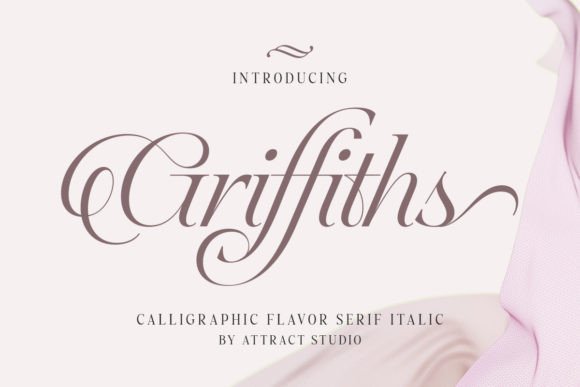
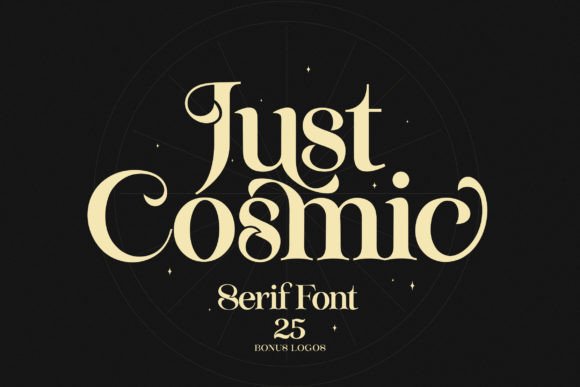
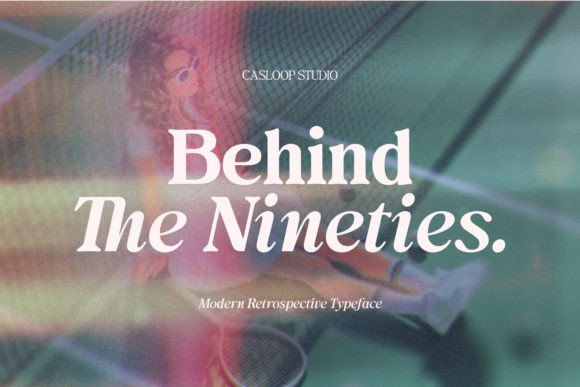
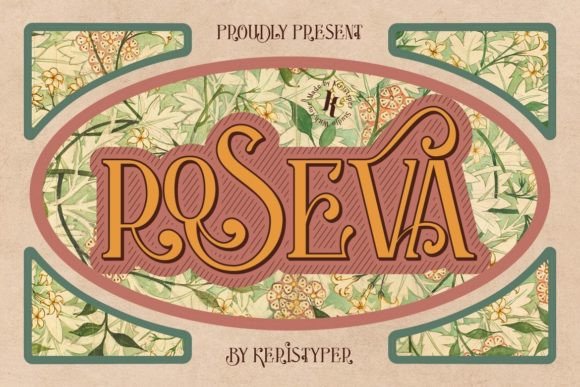
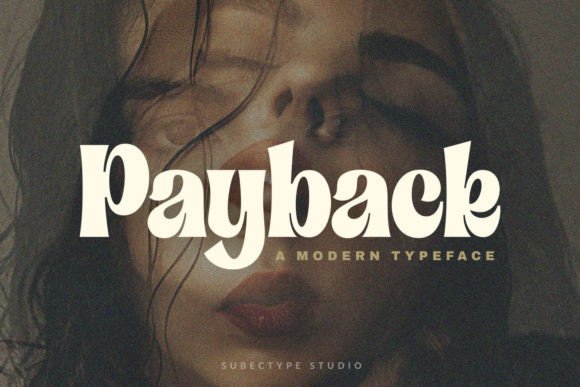
In the crowded landscape of modern graphic design, finding a typeface that bridges classic elegance with contemporary flair is like striking gold. Payback, a modern serif font with a unique style and casual look, offers exactly that—a versatile tool for creating memorable visual communication. It’s not just another font; it’s a strategic asset for designers, marketers, and business owners aiming to craft a premium brand identity that feels both luxurious and approachable. Its distinctive character makes it perfect for projects where first impressions and lasting impact are paramount.
Why Typography is the Backbone of Effective Branding
Typography is a fundamental pillar of visual design, directly influencing how an audience perceives a brand. The right font sets the tone, conveys personality, and guides the user's eye. A modern serif like Payback plays a crucial role in this dynamic. Serif fonts traditionally evoke trust, authority, and sophistication, while Payback's casual, contemporary twist prevents it from feeling stuffy or overly formal. This balance is invaluable for creating a brand identity that is both credible and relatable, enhancing user engagement across all touchpoints.
Practical Applications for Payback in Creative Projects
The utility of a well-designed serif extends far beyond a simple logo. Its application across various design assets ensures consistency and strengthens brand recall. Here’s where a font like Payback truly shines:
- Branding & Logo Design: As the cornerstone of a visual identity, Payback can create elegant logos for fashion brands, boutique agencies, and luxury goods. Its unique ligatures and letterforms become instantly recognizable brand assets.
- Marketing & Social Media Graphics: In digital marketing, grabbing attention is key. Payback’s stylish look makes headlines and quotes pop on Instagram posts, Facebook ads, and Pinterest pins, improving click-through rates and visual hierarchy.
- Editorial & Web Design: For magazines, blogs, and UI design, Payback excels in titles, pull quotes, and subheadings. It adds a layer of sophistication to editorial layouts and enhances the user experience (UX) by breaking up text with visual interest.
- Packaging & Print Design: On physical products, Payback communicates quality. It’s ideal for packaging design, business cards, letterheads, and presentation decks, ensuring a professional and polished look in print.
Integrating Payback into Your Design Workflow
Successfully integrating a new typeface requires more than just installation. To maximize its impact, consider these actionable design tips:
- Establish Visual Hierarchy: Use Payback for key display elements like titles, logos, and calls-to-action. Pair it with a clean, highly readable sans-serif font for body text to create a balanced and accessible layout. This contrast improves readability and guides the viewer’s attention.
- Test for Scalability and Compatibility: Evaluate how the font renders at various sizes, from a small mobile screen to a large billboard. Ensure it complements your existing color palette and other design elements for a cohesive brand system.
- Align with Audience Expectations: A casual yet elegant serif works perfectly for audiences seeking modern aesthetics with a touch of class—think fashion enthusiasts, interior design clients, or gourmet food brands. It communicates a specific lifestyle and value proposition.
Ultimately, the power of a creative asset like Payback lies in its ability to elevate a project from ordinary to exceptional. Thoughtful design choices, especially in typography, are what separate amateur work from professional presentation. By selecting high-quality fonts that align with your brand’s voice and applying them with intention, you not only enhance the visual appeal of your work but also deepen the connection with your audience, making your message not just seen, but felt.